Quick answer: Common signs of thyroid dysfunction include persistent fatigue, unexplained weight gain, hair loss or thinning, brain fog, feeling cold when others are comfortable, constipation, dry skin, anxiety or low mood, irregular periods, and muscle weakness. Many of these symptoms are dismissed as “normal” or attributed to stress, when the thyroid should be investigated.
Why are thyroid problems so commonly missed?
Thyroid dysfunction is one of the most under-detected conditions I see, particularly in women. Standard screening typically only tests TSH, which can remain “normal” while Free T3 (the active hormone your cells use) is suboptimal, or while thyroid antibodies are elevated indicating early autoimmune attack. Additionally, “normal” lab ranges are statistically derived and don’t necessarily reflect optimal function for you as an individual.
What are the signs of an underactive thyroid?
Fatigue that doesn’t improve with rest. Weight gain despite no change in diet or exercise. Feeling cold when everyone else is comfortable. Hair thinning or loss — particularly the outer third of the eyebrows. Brain fog, poor memory, and difficulty concentrating. Constipation. Dry skin and brittle nails. Low mood or depression. Heavy or irregular periods. Muscle weakness or joint stiffness. Elevated cholesterol. Puffy face or swollen ankles.
These symptoms develop gradually, which is why many people normalise them or attribute them to ageing, stress, or “just being tired.”
What are the signs of an overactive thyroid?
Anxiety, restlessness, or feeling “wired.” Unintentional weight loss. Heart palpitations or rapid heartbeat. Trembling hands. Difficulty sleeping. Feeling hot or excessive sweating. Frequent bowel movements. Irritability and mood swings. Muscle weakness. Changes in menstrual patterns. These symptoms can be mistaken for anxiety disorders, particularly in women.
What should you do if you suspect thyroid issues?
Request a comprehensive thyroid panel from your GP or naturopath: TSH, Free T4, Free T3, Reverse T3, and thyroid antibodies (TPO-Ab and TG-Ab). If your GP only tests TSH and it comes back “normal” but you still have symptoms, a naturopath can order the full panel and assess whether your results are truly optimal — not just within statistical range.
References: Jonklaas, J., et al. (2014). Guidelines for the treatment of hypothyroidism. Thyroid, 24(12), 1670–1751. Garber, J.R., et al. (2012). Clinical practice guidelines for hypothyroidism in adults. Endocrine Practice, 18(6), 988–1028.
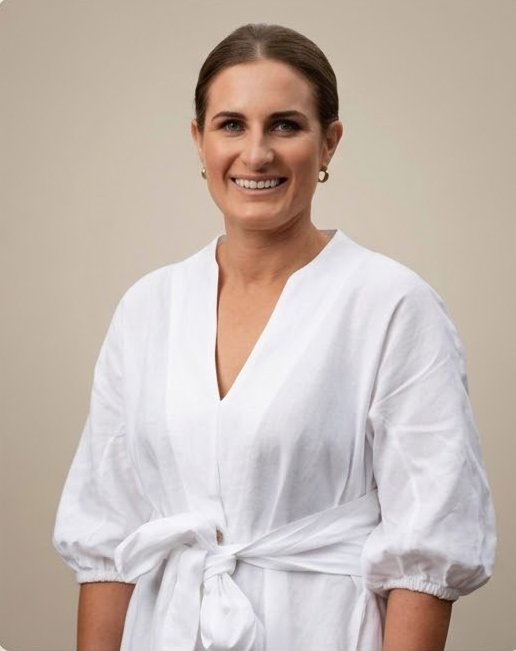
Samantha Jane
Samantha is a qualified naturopath with over 20 years of health industry experience, based in Lane Cove on Sydney’s North Shore. She is a member of the Australian Traditional Medicine Society (ATMS).
Have questions about your health?
If this article has raised questions about your own health, I’m happy to chat. Call, text, or send a message — no commitment needed.