Quick answer: Dietitians focus primarily on food and nutrition within a medical framework, often working in hospitals and clinical settings. Naturopaths take a broader whole-body approach, using nutrition alongside herbal medicine, supplementation, and lifestyle strategies to address the underlying drivers of health concerns. Both are valuable — and they often complement each other.
What does a dietitian do?
Accredited Practising Dietitians (APDs) are university-qualified in nutrition science and are the only nutrition professionals recognised by Medicare and most private health funds in Australia. They specialise in dietary management of medical conditions (diabetes, coeliac disease, kidney disease, eating disorders), clinical nutrition in hospital settings, and evidence-based dietary planning.
Dietitians work within a medical model — their recommendations are primarily food and nutrient-based. They’re the right choice when you need medical nutrition therapy for a diagnosed condition, or when you need dietary management that coordinates with a medical team.
What does a naturopath do differently?
Naturopaths take a whole-body systems approach. While nutrition is a core component, naturopathic treatment also includes herbal medicine, targeted supplementation, lifestyle medicine, and investigation into the root drivers of symptoms — hormonal imbalances, gut microbiome disruption, metabolic dysfunction, nutrient deficiencies, and stress physiology.
A naturopathic consultation is typically longer (90 minutes initial) and covers a broader scope: not just what you eat, but how your body processes it, how your hormones affect it, what your gut microbiome is doing with it, and what lifestyle factors are influencing your health.
When should you see a naturopath vs a dietitian?
See a dietitian if you need medical nutrition therapy for a specific diagnosis (Type 2 diabetes, renal disease, coeliac), if you need a Medicare-rebated service, if you have an eating disorder requiring clinical nutrition support, or if you need sports nutrition programming.
See a naturopath if you have symptoms without a clear diagnosis, if you want to investigate root causes of chronic issues (fatigue, hormonal problems, digestive complaints, skin conditions), if you want herbal medicine or targeted supplementation alongside dietary support, or if conventional approaches haven’t resolved your concerns.
See both if you have a complex health picture that benefits from medical nutrition therapy AND root-cause investigation. I regularly work alongside dietitians, and the combination often produces better outcomes than either approach alone.
References: Wardle, J., et al. (2014). Current challenges and future directions for naturopathic medicine in Australia. Medical Journal of Australia, 200(8), 458–460.
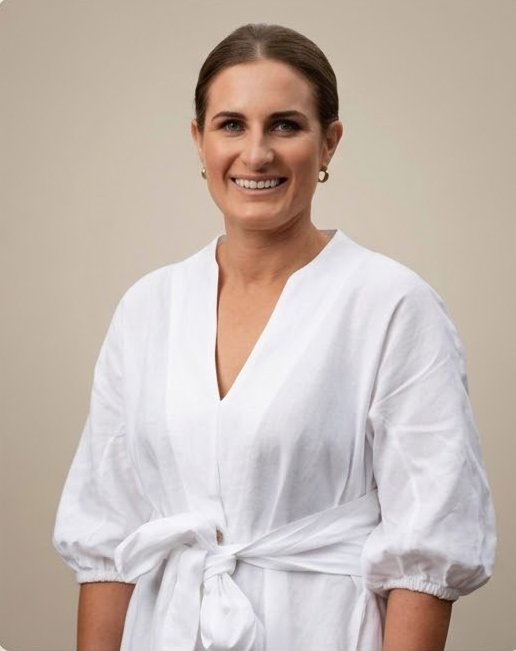
Samantha Jane
Samantha is a qualified naturopath with over 20 years of health industry experience, based in Lane Cove on Sydney’s North Shore. She is a member of the Australian Traditional Medicine Society (ATMS).
Have questions about your health?
If this article has raised questions about your own health, I’m happy to chat. Call, text, or send a message — no commitment needed.