
If you've been experiencing fatigue, weight gain, hair loss, brain fog, cold hands and feet, or low mood — and your GP has told you your thyroid is "normal" — you're not alone. This is one of the most common frustrations I hear from new clients.
The problem often isn't your thyroid. It's the test.
What standard testing looks at
In most cases, your GP will test TSH (thyroid stimulating hormone) — and only TSH. If it falls within the reference range (typically 0.5 to 4.0 mIU/L), you're told your thyroid is fine. But TSH is just one part of the picture.
What's often missing
Free T4 and Free T3
TSH tells you how hard your pituitary is working to stimulate the thyroid — but it doesn't tell you how much active thyroid hormone is actually available to your cells. Free T4 is the inactive form; Free T3 is the active form your body actually uses. You can have a "normal" TSH with suboptimal T3, which means your cells aren't getting enough active hormone.
Reverse T3
Under stress, illness, or inflammation, your body can convert T4 into Reverse T3 (an inactive form) instead of active T3. This effectively puts the brakes on your metabolism. Reverse T3 isn't tested routinely but can explain persistent symptoms despite "normal" results.
Thyroid antibodies
Hashimoto's thyroiditis — which the Australian Thyroid Foundation identifies as the most common cause of hypothyroidism in Australia — is an autoimmune condition. Thyroid antibodies (TPO and TG antibodies) can be elevated for years before TSH moves out of range. If antibodies aren't tested, early-stage Hashimoto's can be missed entirely.
The reference range problem
The TSH reference range of 0.5 to 4.0 is broad. Many people feel their best with a TSH between 1.0 and 2.5. A TSH of 3.8 is technically "normal" but may represent suboptimal thyroid function for you — especially if you're experiencing symptoms. Naturopathic assessment considers your symptoms alongside your numbers, not just the numbers alone.
What to ask for
If you suspect your thyroid may be contributing to your symptoms, ask your GP to test the full panel: TSH, Free T4, Free T3, Reverse T3, and thyroid antibodies (TPO-Ab and TG-Ab). If your GP is reluctant, this is something I can help coordinate as part of a naturopathic assessment.
What naturopathy can do
If subclinical thyroid dysfunction is identified, naturopathic treatment focuses on supporting thyroid hormone production and conversion through key nutrients (selenium, zinc, iodine, iron, tyrosine), reducing inflammation that impairs thyroid function, addressing autoimmune drivers (particularly gut health), and optimising stress and adrenal health.
For clients already on thyroid medication, naturopathic support can help improve how well the medication works by addressing the nutritional and lifestyle factors that influence thyroid hormone activity.
If you've been told your thyroid is "normal" but still feel unwell, it's worth looking deeper. Visit my thyroid health page or get in touch to discuss your situation.
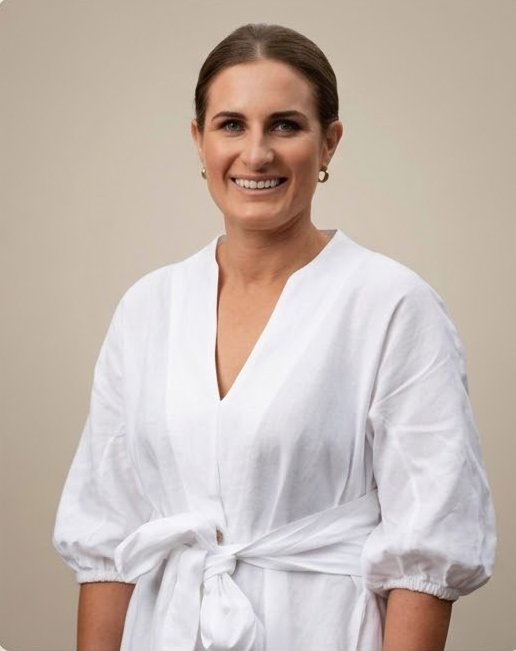
About the Author
Samantha Jane is a qualified naturopath (Adv. Dip. Naturopathy, Nature Care College) and ATMS member based in Lane Cove on Sydney’s North Shore. With over 20 years of health industry experience and personal experience managing PCOS — including three successful pregnancies after being told she would struggle to conceive — Samantha brings both clinical expertise and genuine understanding to every consultation.
Read Samantha’s full story →