If you've been diagnosed with polycystic ovarian syndrome, you've probably been offered the pill as a first-line treatment. For many women, that feels like a band-aid rather than a solution — because it is. The pill can mask symptoms, but it doesn't address the hormonal, metabolic, and inflammatory imbalances that drive PCOS.
I know this firsthand. I was diagnosed with PCOS as a teenager. I lost hair, gained weight, and had periods that never came when they should. Every specialist I saw said the same thing: go on the pill. It wasn't until I saw a naturopath that things actually started to change.
What naturopathic PCOS treatment actually involves
The first thing to understand is that PCOS is not one condition — it's a syndrome with multiple drivers. Not every woman with PCOS has the same underlying imbalances, which is why a cookie-cutter approach rarely works. A naturopath's job is to identify your specific drivers and build a plan around them.
The initial assessment
Your first consultation is a thorough deep-dive. I'll ask about your menstrual cycle history, diet, stress levels, sleep, exercise habits, previous blood work, and family history. This is not a 15-minute GP appointment — it's 90 minutes dedicated to understanding your full picture.
If you have recent blood work, bring it. I look at more than just the standard panel — markers like fasting insulin, LH-to-FSH ratio, DHEA-S, thyroid function, and vitamin D all give important clues about what's driving your symptoms.
Diet — the foundation
Blood sugar regulation is central to PCOS management. Research published in the international PCOS evidence-based guidelines (Teede et al., 2018) identifies insulin resistance as a key driver of the syndrome, with lifestyle and dietary intervention recommended as first-line treatment. Many women with PCOS have some degree of insulin resistance — even those who aren't overweight. When insulin is chronically elevated, it signals the ovaries to produce more androgens, which drives many of the symptoms you experience: irregular cycles, acne, hair loss, weight gain.
I work with each client to build an eating approach that stabilises blood sugar without being restrictive or unsustainable. This isn't about cutting out food groups — it's about understanding which foods support your hormones and which ones work against you.
Herbal medicine
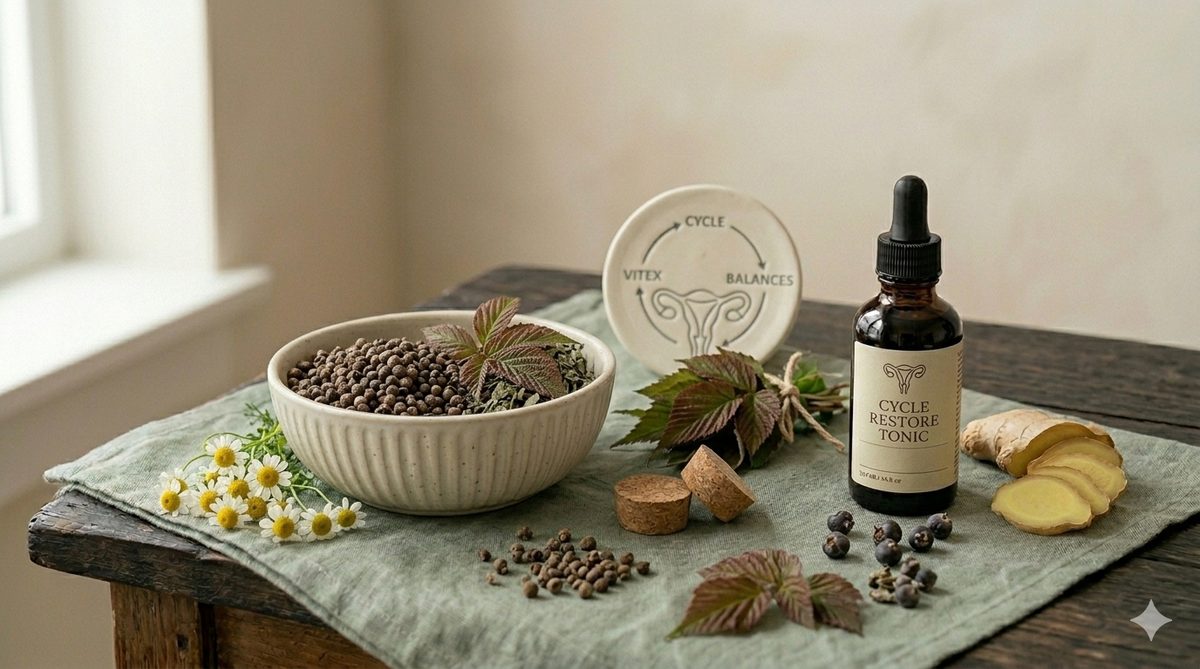
Specific herbs have strong evidence for supporting different aspects of PCOS. Some support ovulation, others reduce excess androgens, improve insulin sensitivity, or calm the stress response. I prescribe individualised herbal formulas — not off-the-shelf products — tailored to your specific symptom picture.
Lifestyle and stress
Chronic stress drives cortisol production, which worsens insulin resistance and hormonal imbalance. And the wrong type of exercise can actually increase stress hormones rather than reduce them. With my background in sports and exercise management, I help clients find an exercise approach that genuinely helps rather than adding to the problem.
How long does it take to see results?
This is the question everyone asks, and the honest answer is: it depends on your starting point. Some women notice improvements in energy, skin, and mood within the first month. Cycle regulation typically takes longer — three to six months is a realistic timeframe for meaningful menstrual changes. The good news is that once you understand your body and have a clear plan, the improvements tend to compound over time.
Why I treat PCOS differently
Most practitioners understand PCOS clinically. I understand it personally. I've lived with the hair loss, the weight frustration, the anxiety about whether I'd ever conceive. When I sit across from a client who's been told "just take the pill," I know exactly how that feels — and I know from my own experience that there's another way.
That lived experience shapes every PCOS consultation I do. It's the reason I became a naturopath, and it remains the area of practice I'm most passionate about.
If you'd like to learn more about how I approach PCOS specifically, visit my PCOS naturopath page or get in touch to discuss your situation.
About the Author
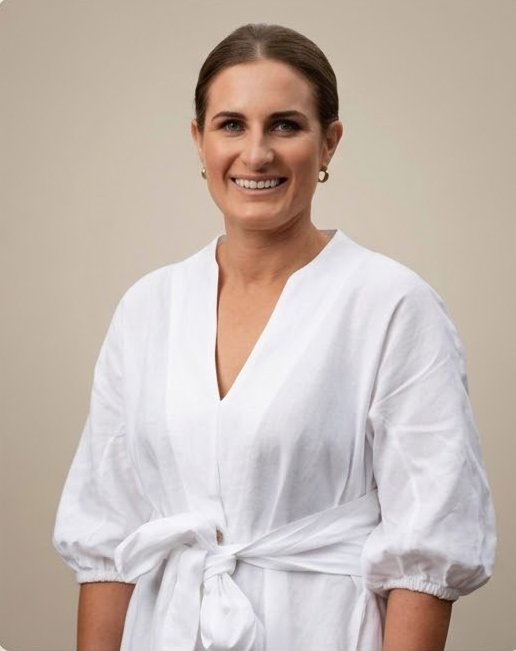
Samantha Jane is a qualified naturopath (Adv. Dip. Naturopathy, Nature Care College) and ATMS member based in Lane Cove on Sydney’s North Shore. With over 20 years of health industry experience and personal experience managing PCOS — including three successful pregnancies after being told she would struggle to conceive — Samantha brings both clinical expertise and genuine understanding to every consultation.
Read Samantha’s full story →