Of all the symptoms of PCOS, hair loss is often the most distressing. I know — because I experienced it myself. Watching my hair thin and fall out as a teenager was devastating, and no doctor could offer me anything beyond the pill.
PCOS-related hair loss (androgenic alopecia) is driven by excess androgens — testosterone and its more potent derivative, DHT. These hormones miniaturise hair follicles on the scalp, leading to gradual thinning, particularly at the crown and temples. The good news is that this process can be slowed and often reversed when you address the underlying hormonal and metabolic drivers.
Why PCOS causes hair loss
In PCOS, the ovaries and adrenal glands produce excess androgens. These androgens are converted to DHT by an enzyme called 5-alpha reductase. DHT binds to hair follicle receptors on the scalp, causing them to shrink over successive growth cycles until the hair becomes fine, wispy, and eventually stops growing altogether.
The key to treating PCOS hair loss is not just blocking DHT (though that's part of it) — it's addressing why androgens are elevated in the first place.
What actually helps
Reduce insulin resistance
Insulin resistance is one of the primary drivers of elevated androgens in PCOS. When insulin is high, it stimulates the ovaries to produce more testosterone. Stabilising blood sugar through dietary changes — reducing refined carbohydrates, ensuring adequate protein and healthy fats at each meal, and eating regularly — is often the single most impactful step.
Anti-androgen herbs
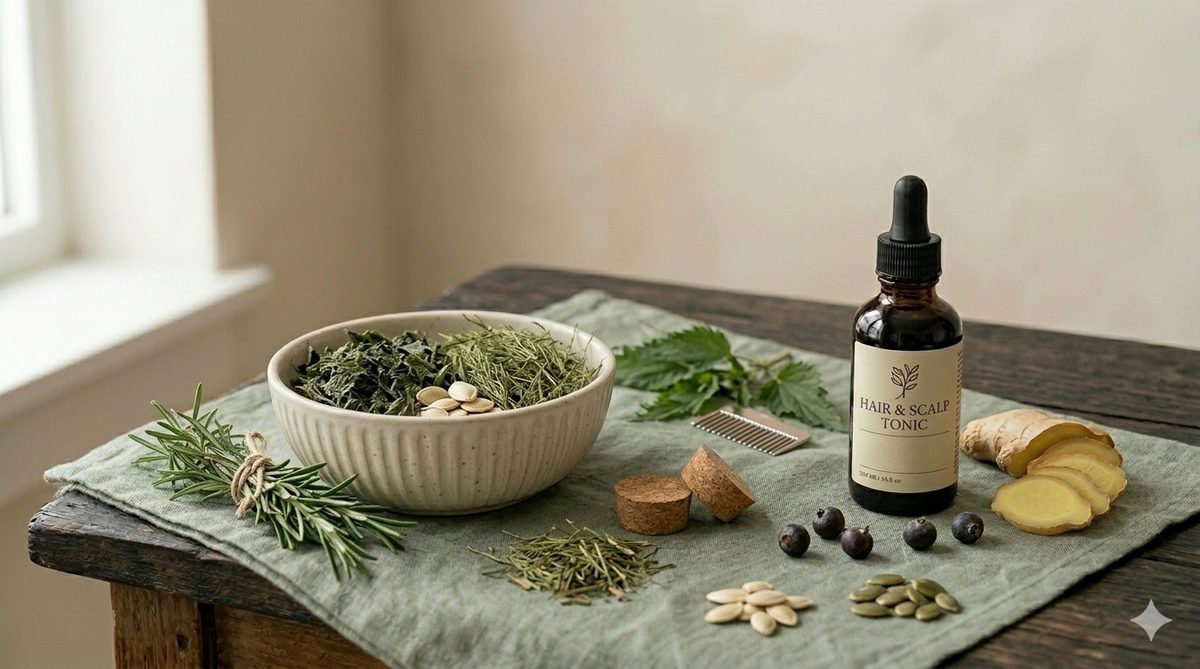
Certain herbal medicines have evidence for reducing androgen levels or blocking DHT conversion. I prescribe these as part of individualised herbal formulas based on your specific hormonal picture. Over-the-counter "hormone support" supplements are rarely specific enough to make a meaningful difference.
Key nutrients
Several nutrients play direct roles in hair health and androgen metabolism. Zinc inhibits 5-alpha reductase — a finding supported by research in the *Journal of Dermatological Treatment* — and plays a role in reducing DHT conversion. Zinc (the enzyme that converts testosterone to DHT). Iron deficiency — common in women, especially those with heavy or irregular periods — is a well-established cause of hair thinning. Biotin, while often promoted for hair health, is most effective when an actual deficiency is present. I assess your nutritional status rather than guessing at supplementation.
Manage stress
The adrenal glands are the other major source of androgens. Chronic stress drives adrenal androgen production (DHEA-S), which can contribute to hair loss independently of ovarian androgens. If your DHEA-S is elevated, adrenal support and stress management become an important part of treatment.
How long until you see regrowth?
Hair growth is slow. Follicles have a three to six month growth cycle, which means you need to sustain treatment for at least that long before expecting visible regrowth. Most clients start noticing reduced shedding within two to three months, with visible improvement in density and regrowth at four to eight months. Patience and consistency are essential.
Hair loss was one of the first PCOS symptoms I personally experienced, and it remains one of the most emotionally challenging. If this is something you're struggling with, I understand — and I can help. Get in touch to discuss your situation.
About the Author
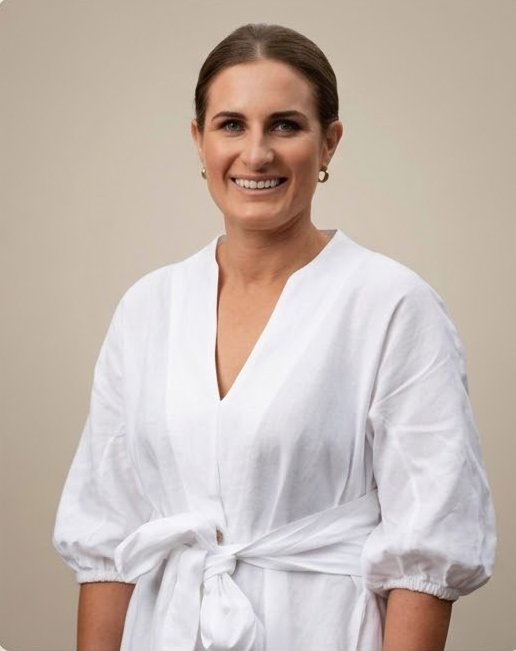
Samantha Jane is a qualified naturopath (Adv. Dip. Naturopathy, Nature Care College) and ATMS member based in Lane Cove on Sydney’s North Shore. With over 20 years of health industry experience and personal experience managing PCOS — including three successful pregnancies after being told she would struggle to conceive — Samantha brings both clinical expertise and genuine understanding to every consultation.
Read Samantha’s full story →