One of the most common questions I get from new clients is: "Should I be seeing you instead of my doctor?" The answer is almost always: both. Naturopathy and conventional medicine serve different but complementary roles, and understanding when each is most appropriate helps you get the best possible care.
When to see your GP
Your GP is essential for acute illness and infection, medical diagnosis, emergency and urgent care, prescriptions and referrals to specialists, standard pathology and screening, and managing serious or life-threatening conditions. If something is acutely wrong — a sudden change in symptoms, severe pain, signs of infection — your GP or emergency department should always be your first call.
When to see a naturopath
The value of integrative care models that combine conventional medicine with naturopathic approaches is supported by a 2025 review in The American Journal of Medicine (Ring et al.), which found that addressing conditions like HPA axis dysfunction through both conventional diagnostics and integrative strategies — including dietary interventions, adaptogens, and lifestyle modification — leads to more comprehensive patient outcomes. Naturopathy is most valuable when you want to understand the root cause of chronic or recurring symptoms, when conventional treatment hasn't fully resolved your health concerns, when you want to take a preventative approach to your health, when you need more time and depth than a standard 15-minute GP appointment allows, when you want personalised dietary, herbal, and lifestyle guidance, or when you're preparing your body for conception or managing hormonal health.
How the two work together
Naturopathy is designed to complement conventional medicine, not compete with it. Many of my clients are also seeing their GP, and I actively encourage this. Here's how the collaboration typically works:
Your GP diagnoses conditions and prescribes medication where needed. I address the underlying drivers — diet, gut health, hormonal balance, stress, inflammation — that contribute to those conditions. Your GP monitors clinical markers. I support your body's ability to respond to treatment and improve those markers naturally. If you're on medication, I ensure that any herbal or nutritional recommendations are safe alongside your prescriptions.
A practical example
A client comes to me with fatigue, weight gain, and low mood. Her GP has tested her TSH (thyroid) and told her it's "normal." She's been offered antidepressants for the mood symptoms. Through a naturopathic assessment, I request a full thyroid panel (including Free T3, Reverse T3, and thyroid antibodies), assess her iron, vitamin D, and B12 levels, evaluate her gut health and cortisol patterns, and review her diet and lifestyle in detail. We discover subclinical Hashimoto's, iron deficiency, and significant stress. None of this contradicts what her GP has done — it adds depth. She continues seeing her GP for monitoring while we work together on the nutritional, herbal, and dietary support that addresses the root cause.
The bottom line
Your GP and your naturopath are not interchangeable — they offer different perspectives and tools. The best outcomes happen when both work together with your health as the shared priority.
If you're not sure whether naturopathy is right for your situation, get in touch — I'm always happy to have a conversation before you commit.
About the Author
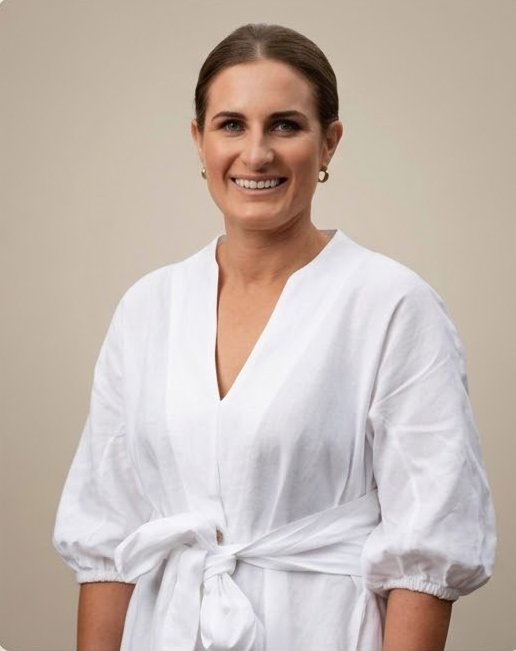
Samantha Jane is a qualified naturopath (Adv. Dip. Naturopathy, Nature Care College) and ATMS member based in Lane Cove on Sydney’s North Shore. With over 20 years of health industry experience and personal experience managing PCOS — including three successful pregnancies after being told she would struggle to conceive — Samantha brings both clinical expertise and genuine understanding to every consultation.
Read Samantha’s full story →